A significant number of homes in and around Millsap TX operate on private septic systems instead of a centralized city sewer. That changes everything about how your drains behave, what causes backups, and how problems are diagnosed and repaired. If your Millsap home is on septic and your drains are slowing down, backing up, or producing foul odors, the cause may not be a simple clog – it could be a failing connection between your household plumbing and your septic tank, a saturated drain field, or a compromised sewer line between the house and the tank. Understanding how these systems connect is the first step toward keeping your drains flowing and avoiding a raw sewage disaster in your home.
How Septic-Connected Drains Differ From City Sewer
On a city sewer system, everything that goes down your drains flows to a municipal treatment plant. The city is responsible for the main sewer infrastructure, and your responsibility ends at the property line. On a Millsap septic system, you own every inch of pipe from the drain in your sink to the septic tank buried in your yard, and you own the tank, the distribution box, and the drain field beyond it.
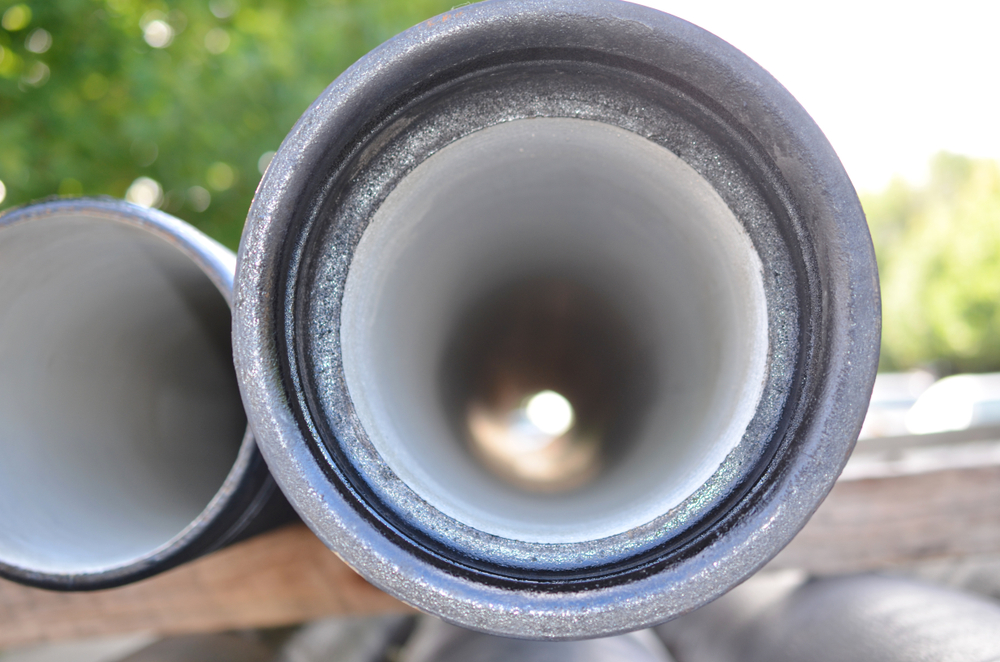
This means every drain problem is your problem, and the potential failure points multiply dramatically. The sewer line running from your home to the septic tank is typically 4-inch PVC or older clay tile, buried 2 to 4 feet underground and anywhere from 20 to 100 feet long depending on your property layout. Tree roots, soil shifting, and settling can crack or offset joints along this entire run. When that happens, you do not just get a slow drain – you get sewage that pools underground, saturates the soil around your foundation, and eventually backs up into the lowest drains in your home.
A sewer camera inspection is the fastest way to see exactly what is happening inside the pipe between your house and your septic tank without any guesswork.
The Warning Signs Millsap Septic Homeowners Miss
Most septic drain problems develop slowly and send subtle signals well before a full backup occurs. If multiple drains in your home are backing up simultaneously – especially the lowest fixtures like basement floor drains, ground-floor showers, and first-floor toilets – the blockage is in the main sewer line between your house and the tank, not in an individual branch line.
Gurgling sounds from drains when you flush a toilet or run a washing machine indicate that air is being displaced through the system because water cannot flow freely to the tank. A sewage smell from sinks or floor drains – especially in rarely used bathrooms – can mean the P-trap has dried out, but on septic systems it often signals a more serious venting issue or a backup building in the main line.
Outside your home, watch for soggy or spongy ground over the septic tank or drain field when it has not rained recently. Standing water or sewage odor in the yard near the tank location means either the tank is full and due for pumping, the outlet baffle has failed, or the drain field is saturated and no longer absorbing effluent.
What Causes Sewer Line Failures Between House and Tank
On Millsap properties, the three most common causes of sewer line failure are tree root intrusion, ground movement, and pipe deterioration. Mature pecans, mesquites, and live oaks that are common on Millsap acreage send roots deep into the ground seeking moisture, and the warm nutrient-rich pipe running from your house to your septic tank is the biggest target in your yard.
Ground movement in Parker County’s clay-heavy soil shifts pipe joints over time, creating offset connections where solids catch and build up. On properties where the original sewer line was installed with clay tile or Orangeburg pipe (a tar-impregnated cardboard material used through the 1970s), the pipe material itself is deteriorating and may be collapsing inward.
When the sewer camera reveals root intrusion, offset joints, or pipe collapse, the repair options range from spot repair at a single failure point to full sewer line replacement with modern PVC. For Millsap properties with long runs between the house and tank, trenchless pipe lining can rehabilitate the existing pipe without excavating your entire yard – preserving landscaping, fencing, and outbuildings that a traditional trench would disrupt.
Protecting Your Drains on a Septic System
Prevention on a septic system requires habits that city-sewer homeowners never think about. Never flush anything other than toilet paper and human waste – no wipes, no feminine products, no cooking grease, no food scraps. These materials do not break down in a septic tank the way they eventually dissolve in a municipal treatment process. They accumulate, clog the outlet baffle, and push solids into the drain field where they cause permanent damage.
Spread your water usage throughout the day rather than running multiple heavy-water appliances simultaneously. Running the dishwasher, washing machine, and showers all within the same hour floods the septic tank with more volume than it can process, forcing partially treated effluent into the drain field before solids have time to settle.
Professional drain cleaning on septic-connected homes should avoid chemical drain cleaners entirely. The harsh chemicals kill the beneficial bacteria inside your septic tank that break down solids. Mechanical cleaning – hydro-jetting or cable machines – clears blockages without disrupting the biological balance your septic system depends on.
The EPA’s septic system maintenance guide recommends pumping every 3 to 5 years and annual inspections as the baseline for preventing failures. The Texas Commission on Environmental Quality regulates on-site sewage facilities throughout Parker County and provides homeowner resources for maintaining compliance.
Keep Your Millsap Drains Flowing
Drain and sewer problems on septic properties get worse fast, and the repair costs escalate with every week of delay. Whether you need a camera inspection of the line between your house and tank, professional drain cleaning that is safe for your septic system, or a full sewer line repair on your Millsap acreage, your plumber in Millsap TX at SNP Plumbing specializes in rural Parker County properties. Schedule a service call before a slow drain becomes a sewage backup.