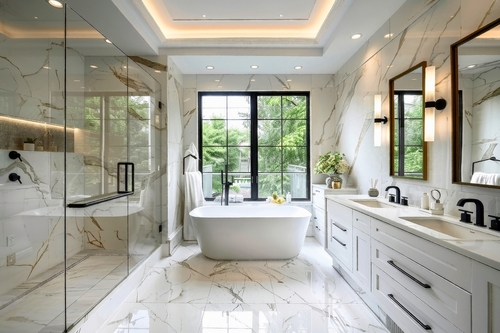
A bathroom remodel is one of the most impactful upgrades you can make to a Parker County home, but the most critical decisions happen before a single tile is laid. The plumbing behind your walls and beneath your floor determines what fixtures you can install, where they can be positioned, what your water pressure will support, and whether the finished project meets Parker County building codes. Too many homeowners bring their plumber in after the general contractor has already framed walls and positioned drains, leaving the plumber to work around decisions that limit the final result. Involving your residential plumbing specialist from day one produces a better outcome at a lower total cost.
Start With a Plumbing Assessment Before Demolition
Before you demolish anything, a licensed plumber should evaluate the existing plumbing in the bathroom being remodeled. This assessment reveals the pipe material, condition, and size of your supply and drain lines – critical information that determines the scope of work required.
Homes throughout Parker County – in Weatherford, Springtown, Azle, Millsap, and the surrounding areas – span a wide range of construction eras. Properties built in the 1970s and 1980s commonly have galvanized steel supply lines and cast iron drain stacks that are approaching or past their functional lifespan. Remodeling around these aging materials and sealing them behind new tile and drywall guarantees a future leak inside a finished wall – the most expensive possible repair scenario.
If your home’s plumbing is galvanized or cast iron, a remodel is the ideal time to replace it with modern PEX or copper supply lines and PVC drain lines. The walls are already open, and the incremental cost of new pipe during a remodel is a fraction of what it would cost to access those same pipes after the bathroom is finished.
Fixture Placement and Drain Location
Moving a toilet, shower, or vanity to a new location is not as simple as picking a new spot on the floor plan. Every fixture requires specific drain sizes, trap configurations, and vent connections that must comply with the Texas Plumbing Code. Toilets need a 3-inch or 4-inch drain with specific rough-in measurements. Showers require a 2-inch drain with a properly sloped P-trap. Vanities need a 1.5-inch drain with accessible cleanout.
Moving a drain even a few feet can require cutting into the slab on homes with slab-on-grade construction – which is the majority of homes in Parker County. Your plumber needs to assess whether the existing sewer line path, slope, and vent stack location can support the proposed new fixture positions before framing begins.
For Parker County homes with hard water conditions, a remodel is also the ideal time to discuss water treatment options. Installing a whole-house water softener loop during the remodel protects your new fixtures, tile, and glass from the mineral damage that plagues untreated homes throughout the county.
Water Heater Capacity
Adding a larger shower, a dual vanity, or a soaking tub changes the hot water demand equation for your household. Before finalizing fixture selections, verify that your water heater can support the additional load. A standard 40-gallon tank water heater may struggle to fill a freestanding soaking tub while maintaining supply to the rest of the house. If your hot water already runs out fast with your current fixtures, adding demand without upgrading the water heater guarantees disappointment.
A remodel is an excellent opportunity to consider a tankless water heater upgrade that provides unlimited hot water on demand. Gas line sizing must be verified by a licensed plumber for gas-fired tankless models, and electrical panel capacity must be confirmed for electric units.
Venting and Code Compliance
Every plumbing fixture requires proper venting to function correctly. Vents allow air into the drain system so water flows smoothly without creating suction that pulls water out of traps. Without proper venting, you get slow drains, gurgling sounds, and sewage odors in the finished bathroom.
Parker County requires permits and inspections for bathroom remodel plumbing that involves moving or adding fixtures, altering drain lines, or changing vent configurations. Work performed without permits can result in code violations that must be corrected before the home can be sold, and insurance companies may deny water damage claims if unpermitted plumbing is the cause.
Common Mistakes That Cost Parker County Homeowners
The most expensive remodel mistakes involve plumbing decisions made without professional input. Using undersized supply lines to new fixtures results in pressure drops when multiple fixtures run simultaneously. Failing to slope drain lines correctly creates standing water that leads to chronic clogs. Installing a shower pan without a proper pre-slope and waterproof membrane leads to leaks that destroy the subfloor beneath your brand-new tile.
Selecting fixtures before confirming your water pressure can support them is another costly error. Rainfall showerheads and body spray systems require significantly higher flow rates than standard fixtures, and many Parker County homes – especially those on well water in areas like Millsap – do not have the pressure to drive these fixtures without a booster pump.
Get Your Plumber Involved Early
The best bathroom remodels in Parker County start with a plumbing assessment, not a tile selection. SNP Plumbing works directly with homeowners and general contractors throughout Weatherford, Springtown, Azle, Millsap, and surrounding areas to plan remodel plumbing that meets code, supports your fixture choices, and avoids the hidden problems that surface months after the project is complete.
Contact SNP Plumbing to schedule a pre-remodel plumbing assessment before your contractor starts swinging hammers.
The Texas State Board of Plumbing Examiners requires all plumbing work involving new fixture installation, drain modification, and gas line alteration to be performed by a licensed plumber – verify your contractor’s license before any work begins.
Related services: SNP Plumbing can also help with planned projects like new construction plumbing and water-quality upgrades such as a water filtration system.