Quick Answer: Yes, cold weather does affect natural gas pressure inside homes, mainly due to pressure regulator issues, moisture freezing, pipe contraction, and ground shifting that disrupt steady gas flow during freezing temperatures.
Cold snaps don’t just stress your heating system, they also challenge how safely and consistently natural gas pressure is delivered throughout your home. Understanding why pressure fluctuations happen in winter helps homeowners spot early warning signs before comfort or safety is compromised.
How Natural Gas Pressure Works Inside a Home
Natural gas pressure inside homes is carefully regulated to keep appliances running safely and efficiently.
Gas enters your home from the main gas supply line at a higher pressure. A gas pressure regulator reduces that pressure to a safe, usable level before it reaches your furnace, water heater, stove, or fireplace. When everything works correctly, pressure remains stable year-round.
However, winter introduces conditions, like freezing temperatures, condensation, and pipe contraction, that can interfere with this balance.
Does Cold Weather Affect Natural Gas Pressure Mechanically?
Cold weather affects natural gas pressure by triggering physical and environmental changes in the system.
While natural gas itself doesn’t easily freeze, several winter-specific factors cause pressure fluctuations:
- Pipe contraction makes metal lines slightly narrower
- Frozen regulators restrict gas flow
- Ice accumulation from moisture causes partial blockages
- Ground freezing leads to soil contraction and ground shifting
- Settling stresses underground connections
All of these can contribute to low gas pressure, inconsistent appliance performance, or regulator malfunction.
Does Natural Gas Freeze in Winter?
No – natural gas does not freeze under normal winter conditions.
For clarity, here’s what homeowners often ask:
- does natural gas freeze in winter – No
- can natural gas freeze in cold weather – No
- at what point does natural gas freeze – Around -260°F, far colder than Earth’s climate
So the gas itself isn’t the problem. The real issue is water vapor and moisture in the gas stream.
Why Moisture Causes Gas Pressure Drops in Cold Weather
Moisture freezing inside gas components is one of the biggest winter pressure risks.
Even small amounts of condensation trapped inside gas lines or regulators can freeze, creating ice blockages that restrict gas flow and lead to noticeable pressure drops throughout the home. In some cases, poor installation practices or overlooked maintenance issues, often flagged under Common Plumbing Code Violations, can increase the likelihood of moisture buildup in gas systems.
Gas utilities remove moisture during processing, but extreme cold, especially in regions not built for it, can still overwhelm systems.
Winter Causes of Gas Pressure Problems
Winter Condition | Impact on Gas Pressure |
Frozen regulator | Restricted gas flow |
Ice buildup in lines | Partial or full blockage |
Pipe contraction | Reduced internal diameter |
Ground shifting | Stress on joints |
Condensation freezing | Pressure instability |
Can Gas Lines Freeze in Winter?
Gas lines don’t freeze easily, but problems occur when moisture freezes inside them.
This answers several common homeowner questions:
- can gas lines freeze – Lines themselves rarely freeze
- do natural gas lines freeze – Only when moisture is present
- can natural gas pipes freeze – Indirectly, due to ice buildup
Exposed outdoor lines and older systems are more vulnerable, especially when insulation is missing.
Warning Signs of Gas Pressure Problems During Cold Weather
Gas pressure issues often appear subtly before becoming dangerous.
Watch for these signs inside your home:
- Weak or inconsistent heating output
- Appliances that won’t stay lit
- Unusual hissing sounds near lines
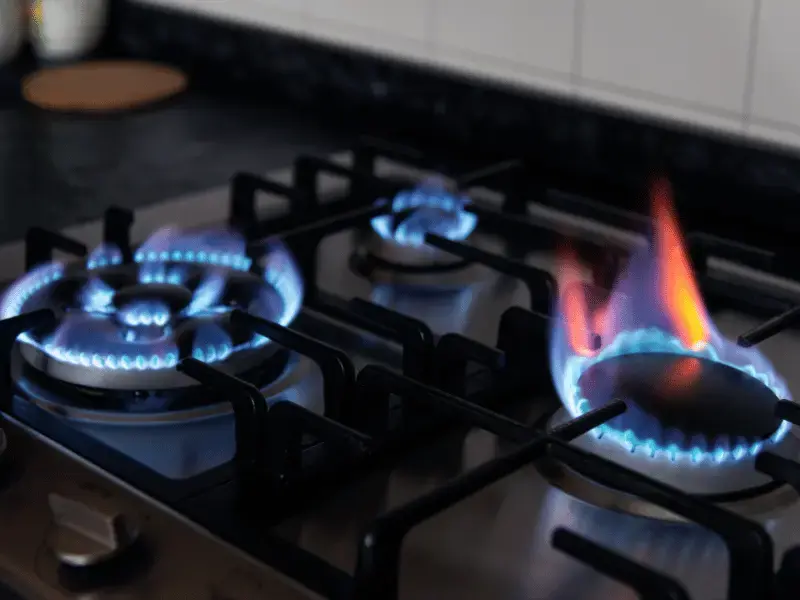
- Yellow or orange flames instead of blue
- A sudden spike in your gas bill
- Reduced performance during extreme cold
These symptoms may indicate pressure regulator trouble, blocked lines, or early signs of natural gas leak
Safety Risks Linked to Winter Gas Pressure Fluctuations
Unstable gas pressure creates serious safety hazards if ignored.
When pressure becomes irregular, risks increase for:
- Gas leaks caused by cracks or loose fittings
- Flammable gas buildup
- Fire hazards and explosion risk
- Carbon monoxide (CO) exposure due to poor combustion
Because natural gas has no odor, utilities add a sulfur-based odorant, often described as a rotten egg smell, to help detect leaks quickly.
Installing carbon monoxide detectors near sleeping areas and gas appliances is essential during winter.
How Ground Freezing Impacts Underground Gas Lines
Frozen ground affects gas pressure indirectly by shifting underground infrastructure.
As soil freezes, it expands, then contracts during thaw cycles. This freeze – thaw cycle causes:
- Ground freezing
- Soil contraction
- Ground shifting
- Stress on buried gas lines
- Micro-leaks or regulator misalignment
Homes with older underground systems experience these issues more frequently.
Appliances Most Affected by Winter Gas Pressure Changes
Gas pressure fluctuations are most noticeable in high-demand appliances.
These include:
- Furnace / HVAC systems
- Water heater
- Gas stoves and ovens
- Fireplaces
If multiple appliances struggle simultaneously, pressure, not the appliance itself, is often the root cause.
This is where experienced Gas Line Repair Experts can identify whether the issue is pressure-related rather than appliance failure.
Winter Prevention Tips to Maintain Stable Gas Pressure
Preventive steps greatly reduce winter gas pressure problems.
- Insulate exposed gas lines
- Keep regulators clear of snow and ice
- Ensure appliance vents and flues remain unobstructed
- Monitor gas bills for unusual spikes
- Schedule annual inspections before winter
Tip: Never attempt to heat a regulator with open flames or electrical devices, this dramatically increases fire risk.
Quick Fixes Homeowners Can Do Safely
Some pressure-related issues can be minimized with simple actions.
- Clear snow from gas meters and vents
- Keep indoor temperatures consistent
- Replace CO detector batteries annually
- Check for visible ice accumulation outdoors
If pressure problems persist, professional inspection is necessary, DIY adjustments to gas pressure are unsafe.
Professional Inspection
Gas pressure issues require professional tools and expertise.
Licensed technicians check:
- Regulator performance
- Moisture presence
- Corrosion and rust
- Shutoff valve functionality
- Ventilation and gas venting paths
This level of inspection goes beyond visual checks and protects both safety and efficiency. Experienced Plumbing Experts can identify hidden issues before they escalate.
Winter Gas Pressure Risks Compared to Other Seasons
Season | Risk Level | Common Issues |
Summer | Low | Normal flow |
Fall | Moderate | Early condensation |
Winter | High | Frozen regulators, ice blockages |
Spring | Moderate | Ground settling |
Winter consistently presents the highest risk due to cold-driven mechanical stress.
Stay Safe This Winter With SNP Plumbing
Gas pressure problems aren’t just inconvenient, they’re a safety issue.
If you notice heating issues, pressure fluctuations, or warning signs this winter, professional evaluation is critical.
SNP Plumbing provides expert gas line inspections, pressure diagnostics, and winter safety solutions.
📞 Call SNP Plumbing today: 817-487-8866
Protect your home, your comfort, and your family’s safety before winter pressure problems turn serious.
Frequently Asked Questions About Cold Weather and Gas Pressure
Can frozen regulators cause complete gas shutdown?
Yes. Severe ice buildup can fully block gas flow, causing appliances to shut off for safety.
Are older homes more affected by winter gas pressure issues?
Yes. Older pipes are more prone to corrosion, brittleness, and moisture intrusion.
Does insulation really help gas pressure?
Insulation helps prevent moisture freezing and stabilizes exposed components.
Is low gas pressure dangerous?
Low pressure can cause improper combustion, increasing carbon monoxide risk.