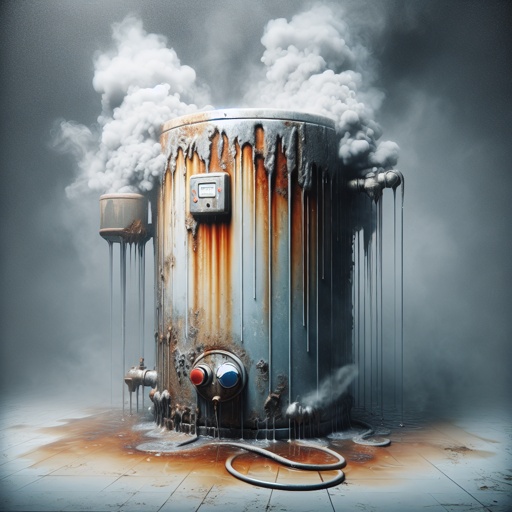
Quick Answer: A popping or rumbling sound from your water heater is caused by steam bubbles forming under a layer of hardened mineral sediment on the bottom of the tank. The sediment traps heat, superheating the water beneath it until it flashes to steam and pops through the crust. This means your tank has significant sediment accumulation that needs to be flushed. If ignored, the overheating damages the tank floor and leads to premature failure.
Your water heater is not supposed to make noise. A properly functioning unit heats water quietly, cycling on and off without any audible drama. When you start hearing popping, cracking, rumbling, or knocking during heating cycles, the tank is telling you something specific: sediment has built up on the bottom and is causing the burner or heating element to overheat the tank floor instead of heating the water directly.
What Is Happening Inside the Tank
Every time your water heater heats a fresh tank of water, dissolved minerals in that water precipitate out of solution as the temperature rises. Calcium carbonate, magnesium, and silica settle to the bottom of the tank as a fine powder. Over months and years, this powder compacts into a thick, hardite crust.
In North Texas homes, especially throughout Parker County where hard water is a well-documented issue, this sediment layer builds faster than the national average. Homes on well water in areas like Millsap accumulate sediment even faster because untreated well water carries higher mineral concentrations than municipal supply.
When the gas burner fires beneath a tank with a thick sediment layer, the flame heats the sediment first instead of the water. The sediment acts as insulation, trapping heat at the tank floor. Water molecules trapped beneath and within the sediment crust get superheated past the boiling point. When they flash to steam, the expanding bubbles pop through the crust, creating the sounds you hear.
Is the Popping Sound Dangerous?
The popping itself will not cause the tank to explode. Your TPR (temperature and pressure relief) valve is designed to release pressure before the tank reaches a dangerous level. However, the underlying condition that causes the popping IS damaging your water heater in three ways.
First, the overheated tank floor develops metal fatigue from repeated thermal cycling, weakening the steel and eventually developing pinhole leaks or cracks. Second, the sediment insulation forces longer burner run times, increasing your gas or electric bill by 20 to 30 percent. Third, the hardened sediment displaces usable water volume — if your hot water runs out faster than it used to, sediment displacement is the most common reason.
How to Fix It
If the unit is less than 5 years old: A professional tank flush can remove loose and semi-hardite sediment, restoring quiet operation and full capacity. A licensed plumber drains the tank completely, agitates the sediment layer with fresh water intake, and flushes until the discharge runs clear.
If the unit is 5 to 10 years old: A flush is still worth attempting, but the plumber should also inspect the anode rod. If the anode is heavily corroded, replacing it during the flush extends the tank’s remaining lifespan. If the sediment has hardened to the point that flushing cannot break it loose, the damage to the tank floor may already be irreversible.
If the unit is over 10 years old and popping loudly: At this age, with significant sediment damage, replacement is more cost-effective than repair. The tank floor has been stressed for years, and a flush at this stage may actually reveal leaks at the base that were previously sealed by the sediment itself.
The U.S. Department of Energy recommends flushing tank water heaters annually to prevent sediment accumulation and maintain heating efficiency.
Tankless Units Pop Too
Tankless water heaters can also develop popping or clicking sounds, though the cause is different. Scale buildup on the heat exchanger plates creates hot spots that cause thermal expansion noises. Annual descaling with a vinegar flush restores quiet operation. If your tankless unit is making noise and you have not had it descaled, schedule a water heater service appointment before the scale damages the exchanger.
SNP Plumbing serves Springtown, Weatherford, Azle, and all of Parker and Wise Counties. Contact us to schedule a flush or inspection.
FAQ
Q: Can I flush my water heater myself? A: You can perform a basic drain by connecting a garden hose to the bottom valve and draining into your yard or a floor drain. However, heavily sedimented tanks often have clogged drain valves that will not open fully, and improper flushing can stir up sediment without removing it. A professional flush uses agitation techniques and full-flow drainage that a garden hose connection cannot achieve.
Q: How often should I flush my water heater in hard water areas? A: In Parker County and most of North Texas, every 6 to 12 months is recommended. Homes on well water should flush every 6 months at minimum. Homes with water softeners can extend the interval to 12 to 18 months because the softener reduces the mineral load entering the tank.
Q: Why does my water heater pop more at night? A: You are more likely to notice the sound at night because ambient noise in your home is lower. The popping occurs whenever the burner fires, but daytime household noise masks it. If the popping has become loud enough to hear during the day, the sediment layer is substantial and needs immediate attention.
Q: Is rumbling different from popping in a water heater? A: Both are caused by the same sediment condition. Popping tends to indicate discrete steam bubbles breaking through a firm crust. Rumbling indicates a thicker, more distributed sediment layer where multiple steam events occur simultaneously across the tank floor. Rumbling generally indicates a more advanced sediment problem than isolated pops.